- Emily Call
- Posts
- The near-miss that launched streaming + 2026 prep
The near-miss that launched streaming + 2026 prep

Emily Call
October 17, 2025
Here’s what’s inside this edition of Whitepaw Wire: we open with the near-miss in Orlando that helped launch modern streaming, and the lessons that still guide good ops today. Then we shift to our No Commercial Breaks WSTA recap, where co-op collaboration and clear action items set the tone for 2026. You’ll also get a practical playbook for movie-week traffic spikes, a Netflix-vs-Amazon brief to inform your roadmap, and a field note on streaming’s energy footprint with quick wins you can deploy now. Grab what’s useful, share what you’re testing, and let’s keep building together.
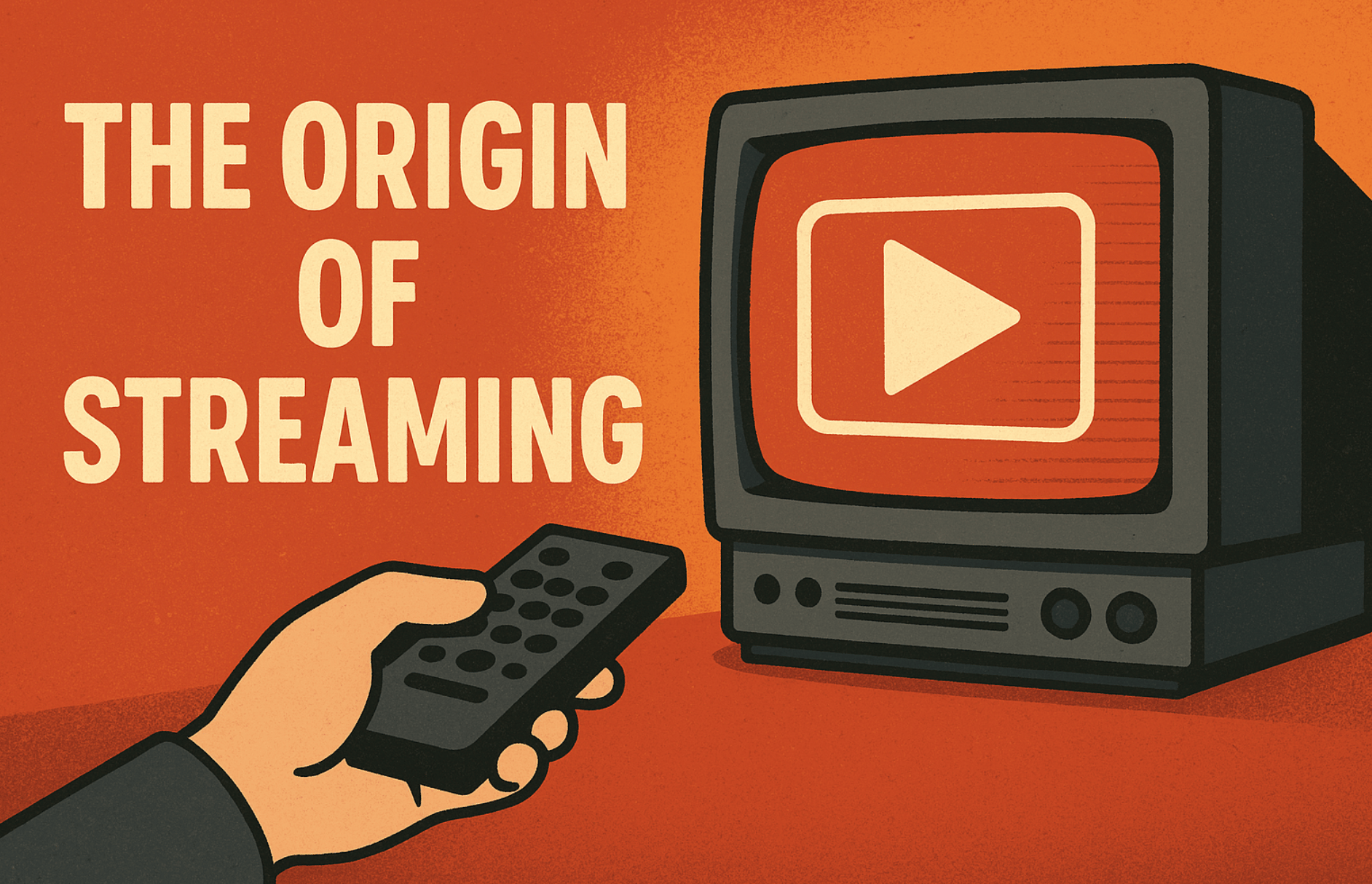
The demo that almost crashed (and quietly launched streaming)
In 1994, Time Warner’s Full Service Network staged a high-stakes interactive-TV demo in Orlando that nearly came apart. That near-miss helped spark on-demand viewing and, ultimately, today’s streaming era. Journalist Craig Leddy’s new book revisits what happened and why those choices still matter for our community of operators, programmers, and technology partners building what’s next. Read the origin story
No Commercial Breaks — WSTA recap: collaborate to stay relevant in 2026
In this episode, we debrief the WSTA fall conference (Green Bay) and why our region’s co-op mindset matters more than ever. 2026 is a major broadcast retransmission consent year, with potential FCC/NAB shifts and plenty of unknowns, so the throughline is simple: share what's working, leave with action items, and tighten partnerships to keep video offerings relevant. Highlights include cross-carrier content sharing (high-school sports, local channels) and a practical “and, not or” approach to access and delivery.
Highlights
Teams walked away with concrete follow-ups—peer calls on “how we did it,” not just hallway chat.
Regulatory uncertainty in 2026 demands scenario planning and faster feedback loops.
Local content is a true differentiator; co-produce, share feeds, and build community VOD shelves.
Why it matters for IT & Ops
Stand up a lightweight inter-operator content exchange: ingest → rights/QC → metadata → distribution.
Prep playbooks for packaging changes (channel lineups, blackout workflows) as policy shifts land.
Content Playbook: Treat movie premieres like live events Premieres = live ops: pre-warm CDNs, prioritize start time, autoscale DRM/manifests, validate SSAI paths.
Comparative Brief: Netflix vs. Amazon—what their strategies mean for your roadmap Netflix: deeper ads → SSAI/QoE tuning. Amazon: ecosystem + Fire TV → identity & steady concurrency; guard ad insertion.
Consumer Reports: Streaming services to cut cable Handy roundup for FAQs and support docs when users ask “which live-TV streaming option replaces my cable?” (good quick reference for your team).
Lessons from Disney’s pandemic pivot (Reuters) Short retrospective on how streaming buoyed a legacy media giant, useful context for resilience planning and exec briefings.
Did you know? Streaming vs. broadcast energy (BBC R&D) BBC’s 2024 model estimates ~93% of video’s energy at the consumption stage (distribution ~6%, prep ~1%) and finds streaming’s hourly footprint is only ~8.7 Wh/h above broadcast, and likely to become more efficient within the next decade.

Field Note: Streaming’s energy footprint—where ops actually moves the needle
The BBC’s new research reframes sustainability for video: most energy is spent at consumption (viewer devices), not just in your delivery chain. That means our biggest levers are practical ones:
Ship efficient codecs on big-screen devices; right-size bitrates on mobile.
Reduce duplicative delivery stacks when possible.
Cache and schedule heavy workloads smartly, especially when your grid is greener.
If you own a playback, encoding, or CDN strategy, this is a must-read to align QoE, cost, and sustainability.
Read more
For daily updates, industry insights, and fresh takes on the trends shaping media and technology, follow us on LinkedIn. Join the conversation and stay connected with the Whitepaw community every day.
Emily Call